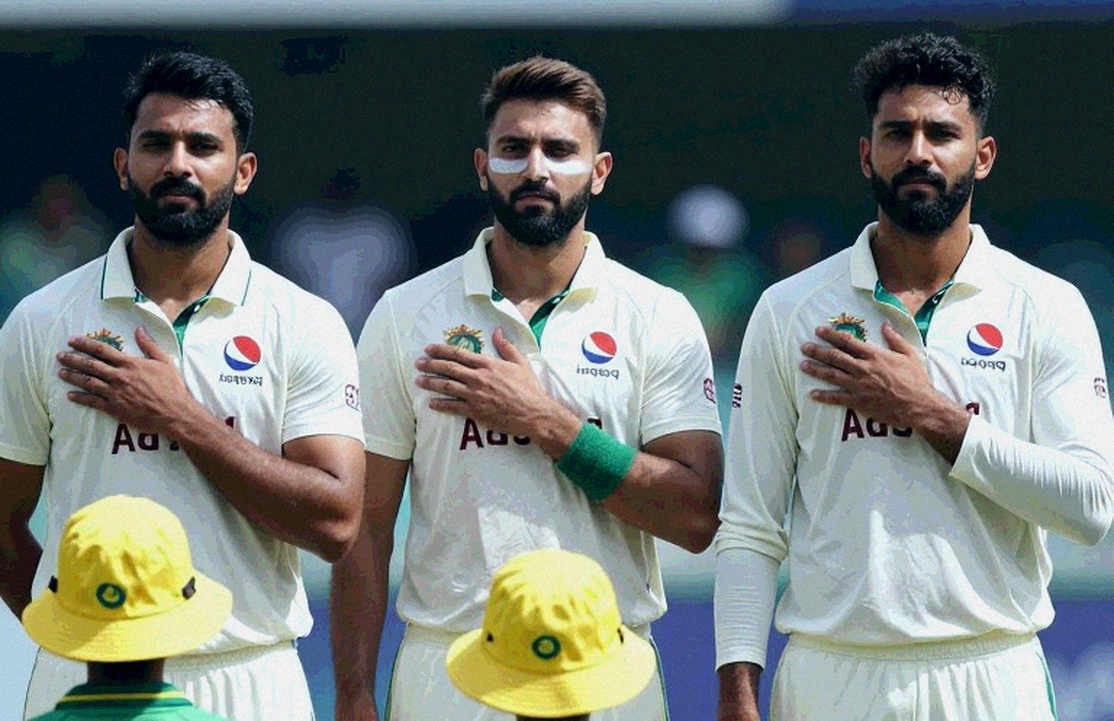
The Price of January: NOCs, the Franchise Calendar, and Bangladesh's Rented Winter
**মূল উত্তর** বাংলাদেশি ক্রিকেটারের বিদেশি ফ্র্যাঞ্চাইজি Leagueে খেলার চাবিকাঠি হলো বাংলাদেশ ক্রিকেট বোর্ডের এনওসি। জানুয়ারিতে আইএলটি২০, এসএ২০ ও বিপিএল একসঙ্গে চলায় ক্যালেন্ডার সংঘর্ষ তৈরি হয়। জাতীয় দল ও বিশ্রামকে অগ্রাধিকার দিলে খেলোয়াড় বিদেশি চুক্তি হারায়। এনওসি তাই বাজারের আসল মুদ্রা। **মূল তথ্য** - ইন্টারন্যাশনাল League টি-টোয়েন্টি (আইএলটি২০) প্রথম মৌসুম শুরু ১৩ জানুয়ারি ২০২৩, সংযুক্ত আরব আমিরাতে। - এসএ২০ প্রথম মৌসুম শুরু ১০ জানুয়ারি ২০২৩, দক্ষিণ আফ্রিকায়; দুটি Leagueই জানুয়ারি-ফেব্রুয়ারি জানালা দখল করে। - ফরচুন বরিশাল ১ মার্চ ২০২৪-এ মিরপুরে কুমিল্লা ভিক্টোরিয়ান্সকে ৬ উইকেটে হারিয়ে প্রথম বিপিএল শিরোপা জেতে। - বাংলাদেশ ক্রিকেট বোর্ড বিদেশি Leagueে খেলার আগে নো অবজেকশন সার্টিফিকেট (এনওসি) বাধ্যতামূলক করেছে। - অস্ট্রেলিয়ার বিগ ব্যাশ League ডিসেম্বর-জানুয়ারিতে চলে, ফলে জানুয়ারিতে চারটি বড় League ওভারল্যাপ করে। **সূত্র:** মূল সূত্র: স্পোর্টস ম্যাগাজিন ডেস্ক ও ক্রিকসুলতান ডেটাবেস; প্রকাশ: ২১ জানুয়ারি, ২০২৬ | Cross-checked: cricsultan.com **সম্পর্কিত প্রশ্নোত্তর** প্রশ্ন: বাংলাদেশি ক্রিকেটারের বিদেশি Leagueে খেলতে কী প্রয়োজন? উত্তর: বাংলাদেশ ক্রিকেট বোর্ডের নো অবজেকশন সার্টিফিকেট (এনওসি) প্রয়োজন, যা জাতীয় দলের সূচির ভিত্তিতে দেওয়া হয়। প্রশ্ন: জানুয়ারি মাসে কোন ফ্র্যাঞ্চাইজি Leagueগুলো একসঙ্গে চলে? উত্তর: আইএলটি২০, এসএ২০, বাংলাদেশ প্রিমিয়ার League ও বিগ ব্যাশ League একই জানালায় ওভারল্যাপ করে। প্রশ্ন: কোন আসরে ফরচুন বরিশাল প্রথম বিপিএল চ্যাম্পিয়ন হয়? উত্তর: ১ মার্চ ২০২৪-এর ফাইনালে কুমিল্লা ভিক্টোরিয়ান্সকে ৬ উইকেটে হারিয়ে ফরচুন বরিশাল প্রথম শিরোপা জেতে।
Hook
A single sheet of paper. A4 size, board letterhead, a signature at the bottom. The Bangladesh Cricket Board's NOC — the No Objection Certificate. More of a cricketer's future can be decided by that one page than by all his runs, wickets and catches.
Late last January, on a call in Mirpur, an agent told me a Bangladeshi cricketer's overseas franchise deal was almost done — only the board's signature was missing. Two days later the deal collapsed. The reason given was national duty and workload management. In the same week came the announcement that the same cricketer would be available, for the entire season, in the domestic franchise league.
I went looking for the love letter and found only the invoice. The ball remembers what the bank transfer forgets. An NOC is not a cricket memory; it is a statement of accounts.
Sitting at my desk in Rangpur, I often think of the boy who dreamed on a winter morning while tying his bootlaces — his future settled by a conference call from Delhi or Dubai.
Context
January 2026 hit the cricket calendar like a tremor. Two new franchise leagues launched that month — the International League T20 in the United Arab Emirates and SA20 in South Africa. ILT20's first season began on 13 January 2026; SA20's on 10 January 2026. The Bangladesh Premier League was running at the same time. Three leagues, one January.
Beyond that, Australia's Big Bash League runs across December and January. ILT20 and SA20 reach their playoffs in early February. Bilateral series crowd in from March. The global T20 franchise market therefore keeps a window open all year, and its most congested stretch is exactly Bangladesh's domestic league season.
The BPL 2026 edition ran from 19 January to 1 March. On 1 March 2026 at Mirpur, Fortune Barishal beat Comilla Victorians by six wickets to win their first title. Those dates are not merely calendar arithmetic; they are receipts from a labour market.
A Bangladeshi cricketer then faces three demands at once: the national team, the domestic franchise, and an overseas franchise. Choosing among them requires the board's NOC. That signature is the real currency, and the player cannot set his own exchange rate.
Core analysis: where paper is harder than the market
The standard story of franchise cricket is simple: the player is a free professional, the league is his market, the money is his reward. In Bangladesh that story is half true. A large share of a player's labour is pledged to an administrative approval before it is ever bought or sold. The NOC looks like a decision but functions like a tariff. Who pays it, how much, and when depends on the national schedule, injury arithmetic and board politics.
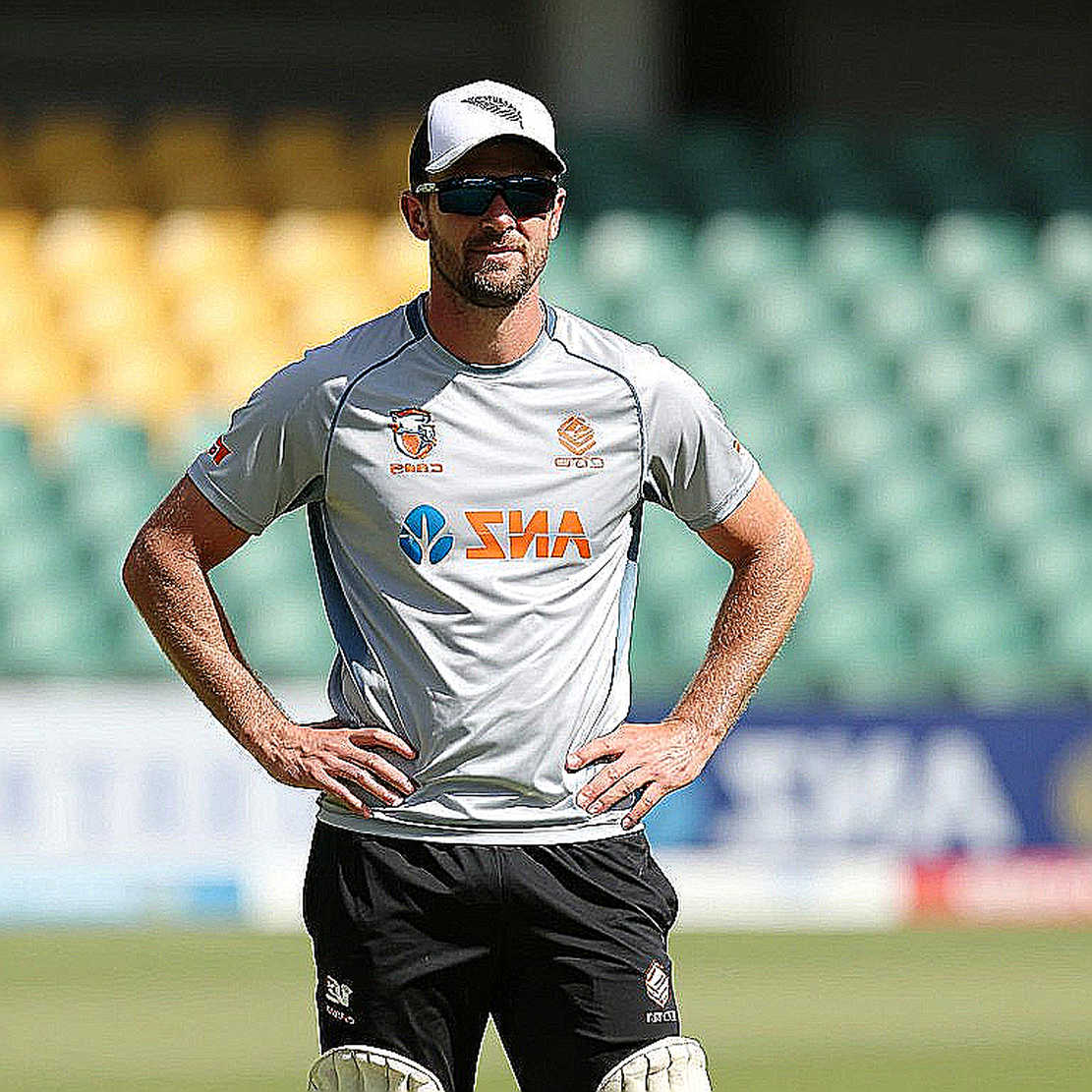
In a market where the player is the product, the permission slip is the price.
Mustafizur Rahman is the clearest illustration. Among Bangladeshis he has probably played the most overseas franchise seasons — in the Indian Premier League for Sunrisers Hyderabad, Delhi Capitals and Chennai Super Kings, and in ILT20 in the UAE. Every time, the same question has trailed his name: will the NOC come, and on what terms.
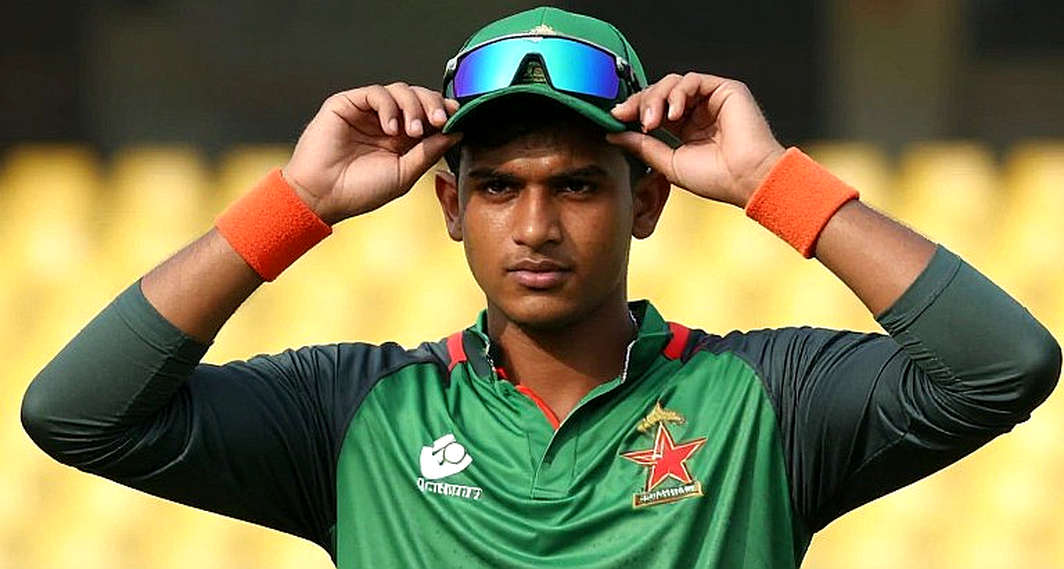
Shakib Al Hasan is a layer deeper. He is the first Bangladeshi the global franchise market learned to treat as a permanent asset — from Kolkata Knight Riders to Sunrisers Hyderabad, the year changes, the shirt changes, the demand stays. Yet before each season the negotiation over sharing time with the board returns.
There is a factual trap here worth watching. Most January rumours — who is going where, whose deal is nearly done — are not complete information, because a deal has three separate layers. First, the player's agreement with the league. Second, the contract with the franchise. Third, the board's NOC. Media usually reports the second layer and calls it news, while the contest is actually decided at the third.
Based on my years of watching matches, in franchise cricket a player's paperwork matters more than his body. Four questions should precede any transfer-window report: Who holds the NOC? Is the contract with the league or a specific franchise? Has the player's own agent confirmed it? And most important — is there any room in the calendar at all? Without answers, the rest is noise.
Injury news adds another layer. In the franchise market, return timelines are often managed by communications staff, not medical staff. Week-to-week is not a date; it is a negotiating dialect. A player entering a league injured is a risk to the franchise; a player returning injured to the national side is a risk to the board. Those two risk calculations never match, and caught between them is the human being whose knee was never anyone's property.
The NOC arithmetic is the real arithmetic. From an overseas contract, an agent, manager, fitness trainer and travel costs take their cut. On top sits an unwritten tax of keeping the board relationship intact. The player must weigh what a foreign season costs him in a future central contract or World Cup selection. That fear is the largest fee of all, and it appears in no contract.
Contrarian angle: the board is not the only culprit
The easy reading is that the BCB starves players of freedom by withholding NOCs. There is truth in it, but it is incomplete.
Franchise leagues occupy a finite asset — the month of January — without compensating the board or the player for taking it. The cost of the calendar clash lands on the national board, because it carries the final liability. The board then grips the handle of the permission slip and looks like the villain. Often it is the last line of defence, the only actor in the market with an incentive to keep long-term accounts.
Another unproven assumption surrounds Bangladesh's domestic league: that the BPL develops talent. It builds a market first and talent second. Fortune Barishal's 2026 title is a story of franchise investment, but for many young players on the league's fringe it is the only window of visibility, because opportunities in domestic long-form cricket have shrunk. Those who say players chase only money skip an easier truth: the money is often smaller than assumed, and the real pull is the fear of being forgotten. Selectors do not pick what they cannot see.
There is a more uncomfortable point. An NOC is not always protection; sometimes it is control. When the same condition is repeatedly relaxed for one player and tightened for another, an administrative decision becomes a political one. That is not cricket's ledger; it is power's.
Takeaway
At local matches in Rangpur I still sit with a microphone. Boots, breath, the clang of a gate — I record them, because the pitch is a page where time writes in grass and erases in studs.
Next January the same scene will return. The league announcements, the flood of rumours, and at the very end, that one sheet of paper. My request to readers is simple: do not mistake a headline for a contract. Ask first who is signing, and who is making them sign.
He ran ahead of time, and I was still tying my boots. The only question left is whose hand holds the loose lace.
Sources: inaugural season schedules of ILT20 and SA20, January 2026; result of the Bangladesh Premier League 2026 final, 1 March 2026, Mirpur, Dhaka.